Bus
Providing safe, convenient and reliable bus services.
Last updated 25 August 2026
Policies
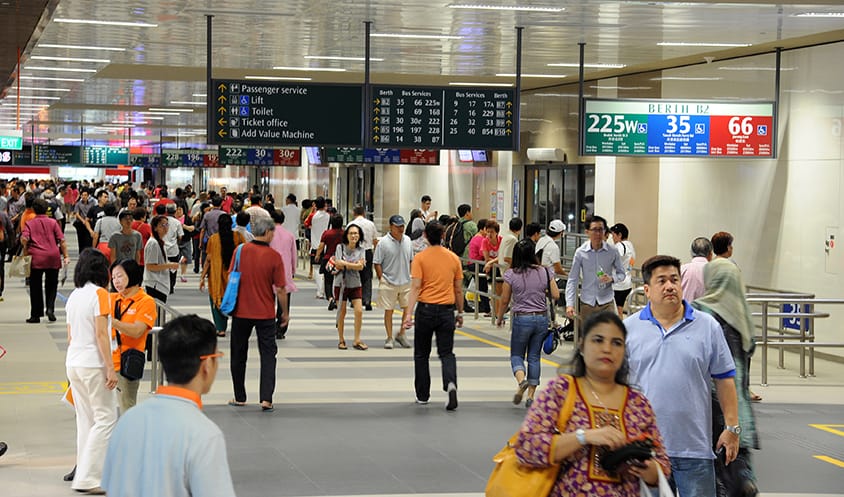
As the central planner for the public bus network, LTA is responsible for designing bus routes to ensure an integrated public transport system where commuters are connected seamlessly across both bus and rail services.
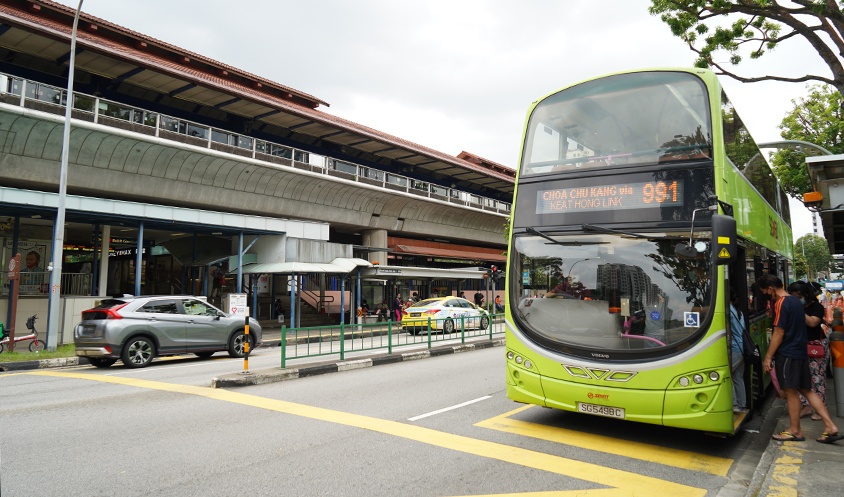
To improve commuters’ overall journey experience, LTA works with bus operators to make regular adjustments to the public bus network based on travel demand. We also design our road infrastructure to prioritise buses, to give commuters more reliable journeys.
The Government set standards on the quality of services that operators need to meet, and works closely with tripartite partners to uphold the highest standards of safety.
The Bus Safety Tripartite Taskforce, formed in July 2024, has made comprehensive recommendations to enhance bus safety across all operational aspects and improve the well-being of bus captains, including fleetwide implementation of technological systems and tools to further improve bus captains’ situational awareness, as well as keeping new bus routes’ scheduled runtime to within two hours.
The full set of recommendations by the Bus Safety Tripartite Taskforce is available in its official report. (opens in new tab).
Central bus network planning/Bus contracting model
LTA is responsible for the overall financial viability of the public bus network under the Bus Contracting Model, which has been fully implemented since 2016.
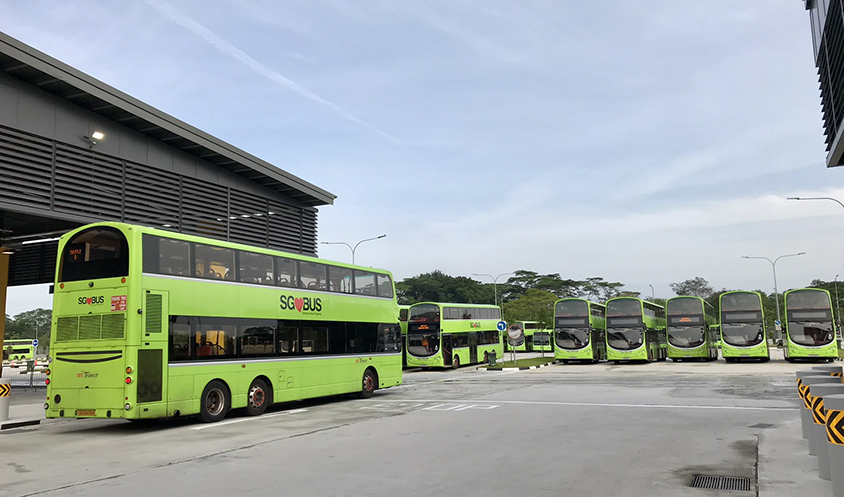
Under this model, LTA contracts operators to run public bus services through a competitive tendering process. Bus services are grouped into bus packages based on geographical coverage, and LTA determines the bus routes to be provided as well as the service standards. For instance, operators are required to ensure that during peak periods, all buses are scheduled to arrive every 15 minutes or less, with at least half of these scheduled to arrive every ten minutes or less.
Bus operators bid for the contract to operate the bus packages of bus services, and awarded tenderers are paid service fees to operate the bus packages, while fare revenue is collected by the Government. There are currently four public bus operators – Go Ahead Singapore, SBS Transit, SMRT Buses, and Tower Transit Singapore.
Over time, the Government will take over the ownership of all bus infrastructure and operating assets, which include depots, operator-owned buses, and all fare equipment and fleet management systems. This will lower the barriers of entry to the market, attract new entrants, and facilitate any transition from incumbent operators to new operators.
This model also allows the Government to make periodic adjustments to bus services, taking into account changes in commuter travel patterns and overall connectivity and resilience of our public transport network. The greater contestability in the bus industry can also spur innovation and efficiency, and incentivise operators to improve service quality.
Bus Connectivity Enhancement Programme (BCEP)
The Bus Connectivity Enhancement Programme (BCEP) was launched on 30 July 2024 to enhance bus connectivity to transport hubs and other key amenities, especially for commuters in new and growing estates.
Under BCEP, close to $1 billion will be invested over eight years to introduce improvements to bus services. This includes adding more trips, adjusting routes or introducing new services to meet changing travel patterns, as well as to fund the purchase of new buses and make infrastructural improvements.
Since its launch in July 2024, BCEP has provided commuters with more travel options and shorter journeys, benefitting close to 200,000 commuters daily.
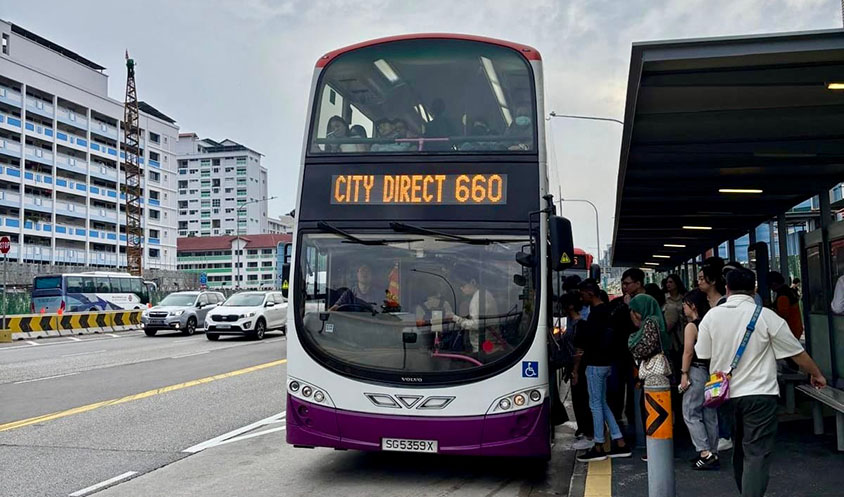
As of end-May 2026, LTA has enhanced bus connectivity with 33 new or extended bus services introduced in estates island-wide. These include peak-hour express bus services offering residents an alternative commute option to and from the city, as well as peak-hour limited-stop bus services that take more direct routes to MRT stations with fewer intermediate stops, reducing travel time for first and last mile journeys.
BCEP has also improved existing services, with over 60 services enhanced through additional capacity or expanded coverage as of end-May 2026.
Bus priority schemes
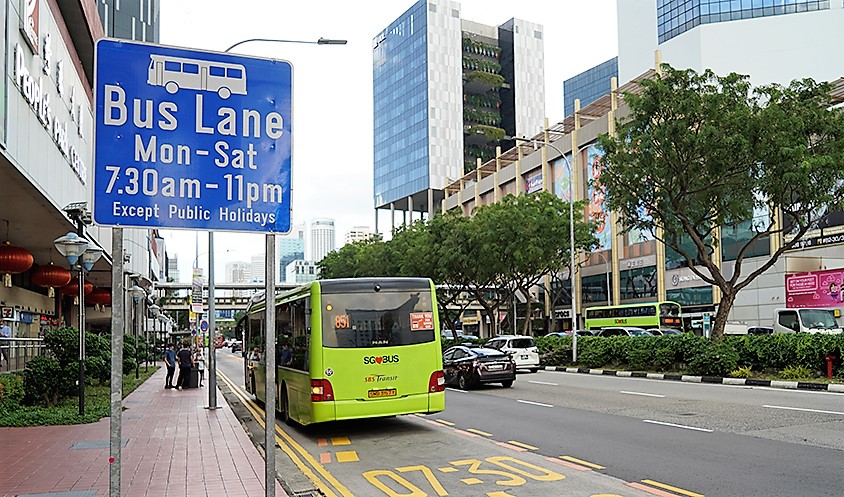
To make the best use of our limited road space, LTA has been expanding the coverage of part-day and full-day bus lanes, as well as the Mandatory Give Way to Buses scheme along busy roads. LTA has also been working to improve overall journey times by reducing the time spent by buses at bus stops. More bus bays have been added to heavily-used bus stops and three-door buses have been added to the fleet.
LTA is also rolling out more bus signal priority lights at junctions and bus priority boxes, as well as trying out new technology for traffic lights to favour the movement of public buses.